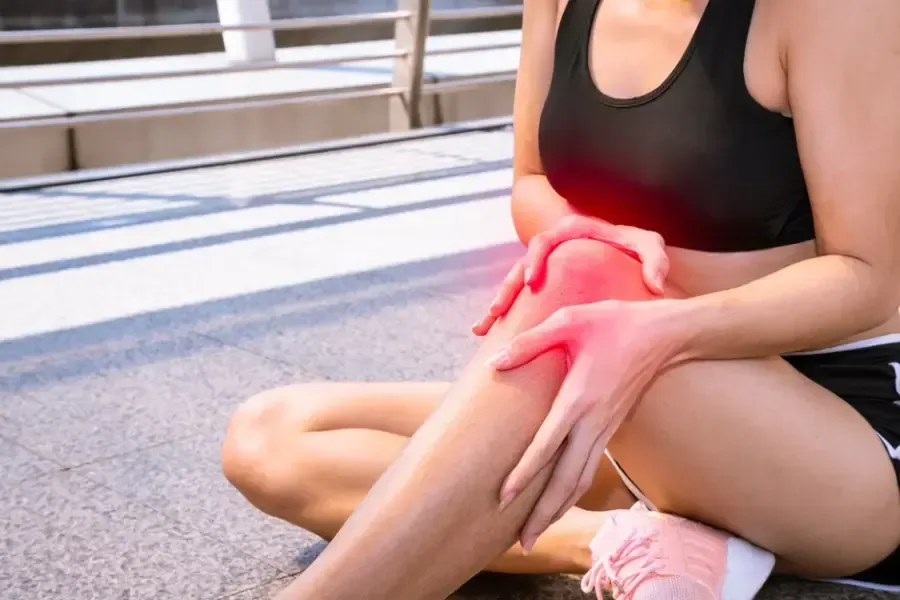
7 Daily Habits That Can Help Reduce Knee Arthritis Pain Naturally
There is a particular kind of frustration that comes with knee arthritis. It is not always dramatic. It is the hesitation before stairs. The way you scope out seating at a restaurant based on how hard it will be to get up. The morning shuffle before your joints decide to cooperate. At Apple Medical Clinic, PLLC in Winchester, VA, Dr. Pasternack sees this pattern constantly, and the patients who manage it best are usually the ones doing something about it every day, not just during appointments. If you are working through how to alleviate arthritis pain in the knee, these habits are worth building into your routine.
1. Move Daily, even on the Bad Days
The instinct to rest an aching joint makes sense, but extended inactivity is genuinely counterproductive for arthritis.
Synovial fluid, which lubricates the joint, only circulates when you move. Sitting still starves the cartilage of what it needs.
Walking, water aerobics, or light cycling for 20 to 30 minutes keeps that circulation going without grinding down what cartilage remains.
On flare days, even a short walk beats nothing.
2. Build the Muscles Around the Knee, Not Just the Knee Itself
The quadriceps take on a load that would otherwise go straight into the joint. When they are weak, the cartilage pays the price.
Hip abductor and glute strength matters too. Weakness higher up the chain changes how force travels through the knee on every single step.
Rehabilitative exercise at Apple Medical Clinic, PLLC is built around this kind of targeted strengthening, supervised so you are actually loading the right structures.
3. Stretch Before the First Steps of the Day
Cartilage is viscoelastic. It compresses during sleep and needs time to rehydrate before it handles full body weight comfortably.
A few minutes on the edge of the bed before standing, working through the hips, hamstrings, and calves, changes how the first hour of the morning feels.
It is a small investment with a disproportionate return, especially for people whose stiffness peaks in the morning.
4. Stop Treating Ice and Heat as Interchangeable
Heat before movement. It increases blood flow, relaxes the tissue around the joint, and makes early motion less painful.
Ice after activity. It manages the inflammatory response that follows exertion and keeps post-movement soreness from compounding.
Using them backwards, or skipping one entirely, leaves real relief on the table.
5. Take the Weight Conversation Seriously
Four pounds of additional knee load for every extra pound carried is not a scary statistic. It is measured, reproducible biomechanics.
The knee was not designed to absorb indefinite compressive force. Arthritic cartilage is even less equipped to handle it.
Even a five- to ten-pound reduction makes a measurable difference in daily joint stress, which adds up significantly over weeks and months.
6. Replace Your Shoes Before They Fail You
Most people wait until a shoe looks worn to replace it. The cushioning and stability fail well before the exterior shows it.
Altered gait from poor footwear changes load distribution across the knee in ways that aggravate arthritis quietly and consistently.
A supportive insole, particularly one that addresses pronation or uneven loading, can shift pressure away from the most compromised part of the joint.
7. Treat Sleep Like Part of the Treatment Plan
Inflammatory cytokines follow circadian rhythms. Poor or irregular sleep disrupts that cycle and measurably elevates systemic inflammation.
Patients who sleep badly tend to hurt more. That is not a coincidence.
Consistent sleep schedules, a cooler room, and limiting screens before bed are not wellness clichés. They are interventions that affect how the body regulates inflammation overnight.
When Habits Alone Are Not Moving the Needle
Daily habits matter, but structural problems need structural solutions. For patients researching the best non-surgical treatments for knee pain, Apple Medical Clinic, PLLC offers physical rehabilitation, chiropractic adjustments, cold laser therapy, and electric muscle stimulation. Dr. Pasternack starts with a thorough evaluation of movement and function, then builds a care plan around what is actually driving the problem, not a standard protocol applied to everyone with a knee complaint.
Contact Us Today, for more related information.
